National Community Planning Month provides an opportunity to reflect on the role planning plays not only in managing growth, but also in helping communities prepare for, respond to, and recover from disasters.
A Community Changed
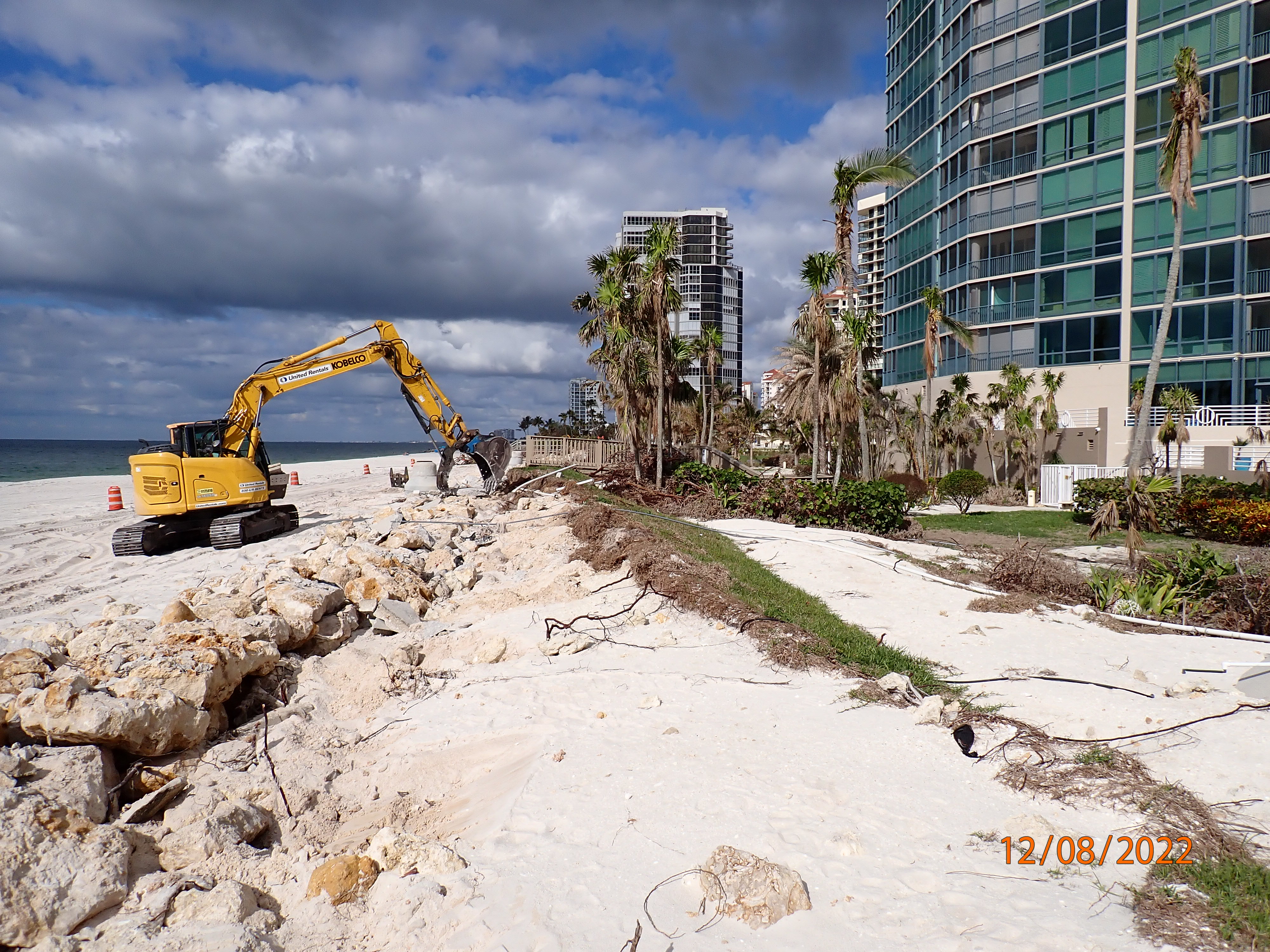
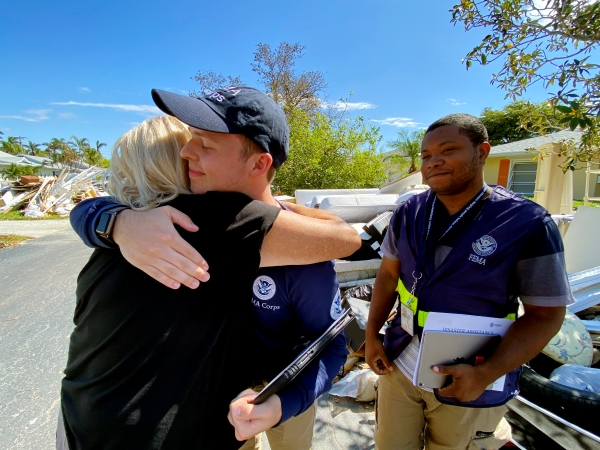
When Hurricane Ian made landfall in Southwest Florida in September 2022, it fundamentally changed the trajectory of Collier County and the lives of thousands of residents, business owners, and visitors. According to the National Hurricane Center’s Hurricane Ian Report, the storm caused widespread damage across Southwest Florida and became one of the costliest hurricanes in U.S. history. Entire neighborhoods were inundated by storm surge, homes were damaged or destroyed, businesses were displaced, and critical infrastructure was severely impacted. Families endured prolonged power outages, impassable roads, housing uncertainty, and the emotional toll of losing homes, memories, and community landmarks built over generations.
The storm tested far more than the region’s physical infrastructure. It challenged the resilience of residents, neighborhoods, businesses, and the institutions charged with recovery. Hurricane Ian also highlighted the interconnected nature of community systems, demonstrating how housing, transportation, economic stability, public infrastructure, environmental resources, and quality of life are deeply linked. Damage in one area quickly created consequences across many others, reinforcing the need for a comprehensive and coordinated recovery approach.
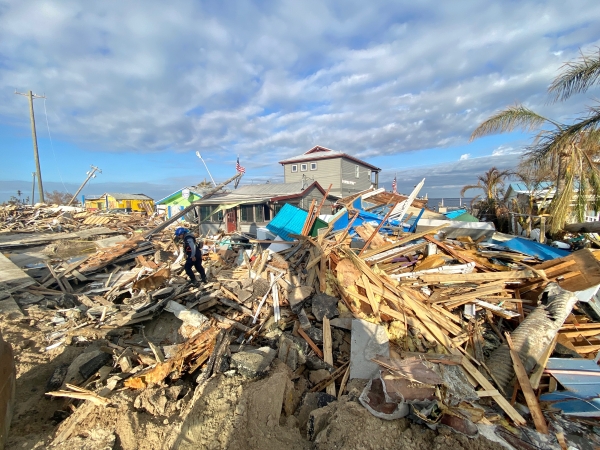
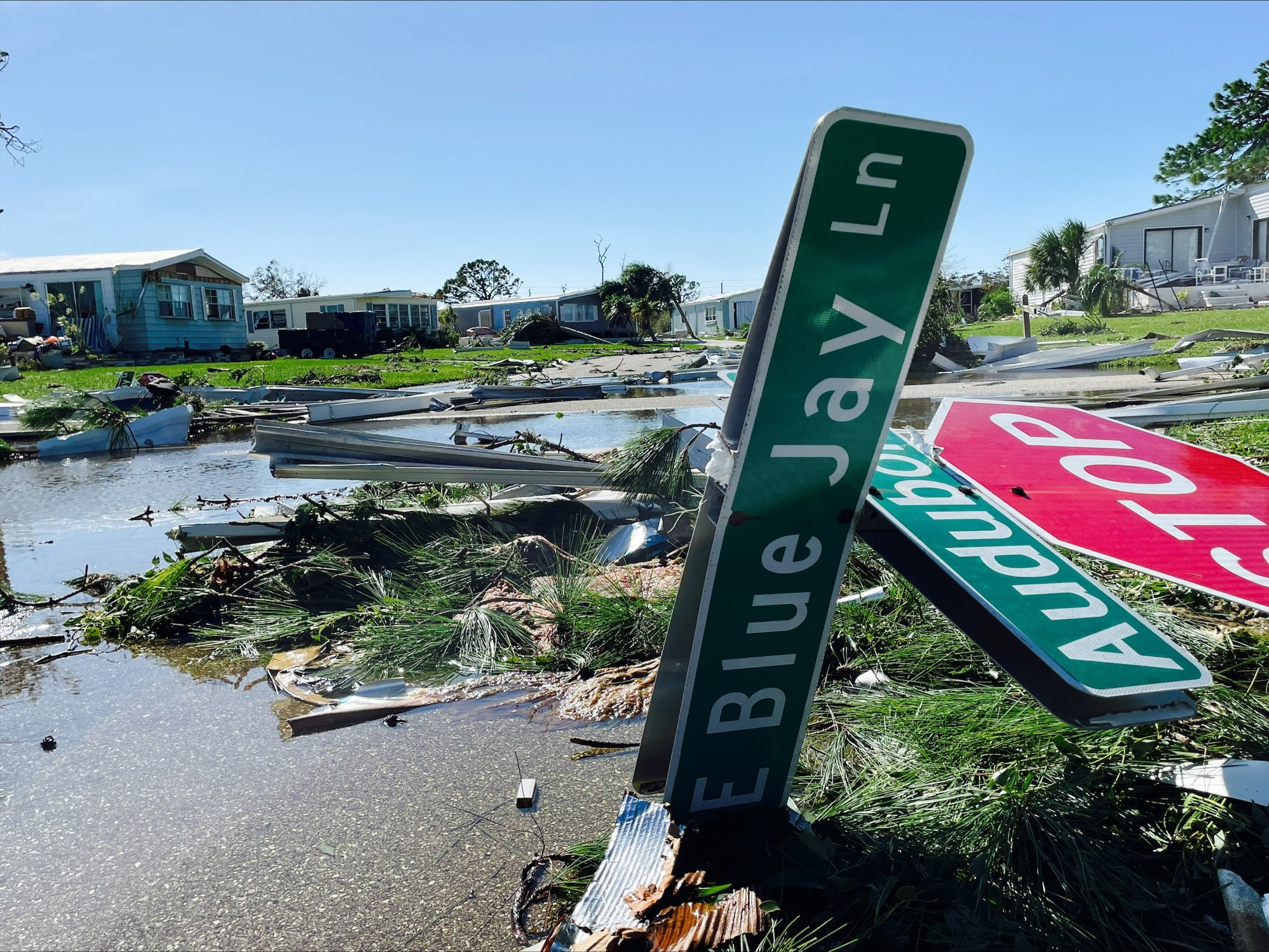
While Hurricane Ian marked Collier County’s recent long-term recovery journey, the years that followed brought additional challenges. Storms including Nicole, Idalia, Debby, Helene, and Milton produced recurring flooding, storm surge, erosion, and infrastructure impacts, repeatedly interrupting recovery efforts and requiring the community to shift from recovery to response and back again. These events reinforced an important lesson: resilience is not built after a disaster occurs. The decisions made before a storm, through community planning, investment, and preparedness, are just as critical as the actions taken in its aftermath. Communities rely on tools such as the Collier County Comprehensive Emergency Management Plan to guide preparedness, response, recovery, and mitigation efforts before and after disasters.
Today, Collier County’s recovery is about more than rebuilding what was lost. It is an opportunity to strengthen communities, reduce future risks, and invest in a more resilient future for residents, businesses, and generations to come. That reminder is especially relevant during National Community Planning Month, which recognizes the role planning plays in creating stronger, safer, and more resilient communities. While planning is often associated with managing growth and development, Hurricane Ian demonstrated that it is equally about preparing for future challenges.
As recovery efforts progressed, communities faced a critical question: how can we rebuild in a way that not only restores what was lost, but also strengthens our ability to withstand future storms?
The Challenge of Rebuilding
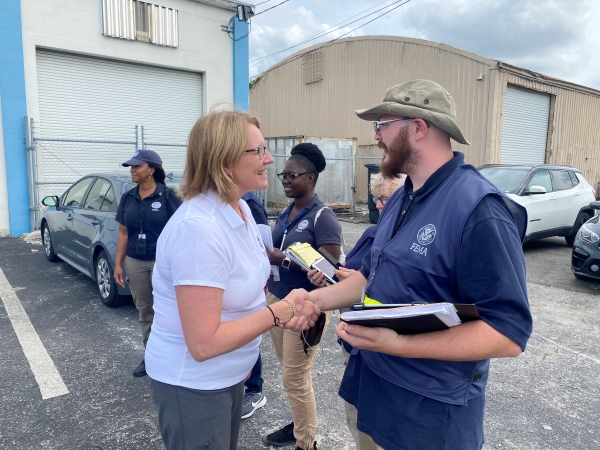
In the aftermath of Hurricane Ian, communities across Southwest Florida faced the challenge of rebuilding quickly enough to meet immediate needs while making thoughtful decisions that support long-term resilience. Residents needed housing, businesses needed to reopen, and local governments were tasked with restoring essential services. While urgency was necessary, recovery also presented an opportunity to consider how rebuilding efforts could better prepare communities for future storms.
The challenge extended beyond simply replacing what was lost. Communities faced difficult decisions about how and where to rebuild, and at what standard. While restoring pre-storm conditions can provide a sense of normalcy, it may also recreate existing vulnerabilities. By contrast, adopting more resilient design and construction standards can enhance long-term community resilience and reduce risk from future events.
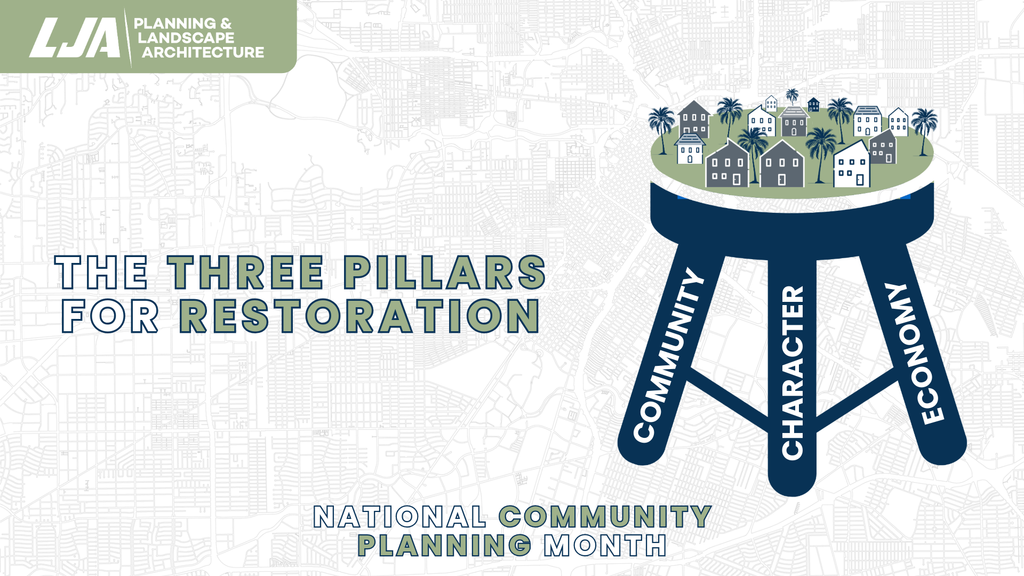
From a planning perspective, recovery can be viewed through three interconnected pillars: Community, Character, and Economy. While these priorities are often seen as competing interests, Hurricane Ian demonstrated that they are inherently linked. Like a three-legged stool, each pillar provides critical support for long-term resilience and success. When one is weakened, the stability of the entire community is affected. Effective recovery recognizes that community well-being, local identity, and economic vitality are not separate goals, but mutually reinforcing elements of a stronger future.
Community
Resilience begins with people. Recovery decisions affect housing, transportation, public safety, healthcare, schools, parks, and services, all of which influence a community’s ability to recover and thrive after a disaster.
Character
Communities are defined by their history, culture, architecture, natural resources, and shared experiences. Preserving community character during rebuilding helps maintain the qualities that make places unique and desirable.
Economy
A resilient economy is essential to long-term recovery. Local businesses and key industries provide jobs, tax revenue, and resources that support rebuilding and future resilience efforts.
Lessons for Resilience and Recovery
National Community Planning Month highlights a simple but important principle: resilience is not built during a disaster. It is established beforehand through the policies, investments, and planning decisions that shape how communities grow and develop.
Hurricane Ian reinforced this lesson, demonstrating the value of proactive planning in reducing risk and supporting long-term recovery. Communities that integrate resilience into their planning processes are better positioned to withstand natural hazards, protect critical assets, and recover more effectively when disasters occur.
Resilience must be integrated into every aspect of community planning. Key planning areas that influence a community’s ability to withstand and recover from natural hazards include:
- Land use planning: Guides where and how development occurs.
- Housing strategies: Addresses current and future housing needs while reducing vulnerability.
- Transportation systems: Supports safe mobility before, during, and after disasters.
- Infrastructure planning: Strengthens critical facilities and public services.
- Environmental policies: Protects natural resources that can buffer communities from hazards.
- Emergency preparedness planning: Helps communities respond effectively and recover more quickly.
At the same time, Hurricane Ian highlighted the value of resilient infrastructure. Roadways, stormwater systems, utilities, communication networks, and public facilities are essential during disaster response and recovery. Proactive investments in these systems help reduce disruptions, protect public safety, and support faster recovery after major storms.
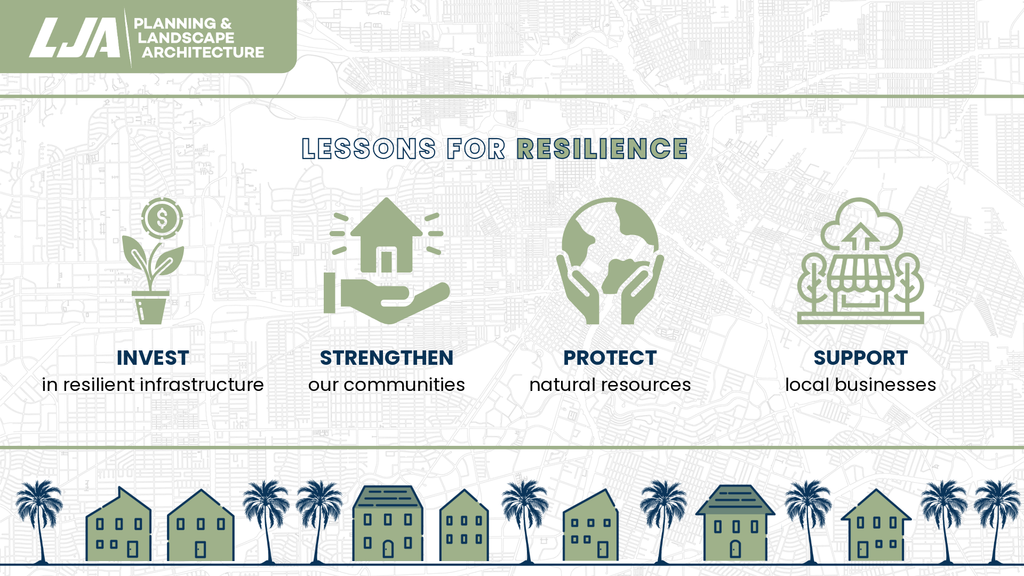
As communities continue to recover, the goal should extend beyond restoring what existed before the storm. Recovery efforts should focus on building safer, stronger, and more adaptable communities by:
- Investing in resilient infrastructure designed to address future risks.
- Strengthening housing resilience while ensuring residents can remain in the communities they serve.
- Protecting natural resources that help reduce flooding and storm impacts.
- Promoting economic adaptability through support for local businesses and reinvestment.
- Preserving the character, history, and sense of place that make communities unique.
For coastal communities in particular, comprehensive plans, infrastructure improvements, land development regulations, and hazard mitigation strategies provide opportunities to strengthen resilience before the next storm arrives. The Naples and Collier County Comprehensive Plans exemplify this approach through their focus on housing, infrastructure, mobility, environmental stewardship, economic vitality, and community development.
Looking Ahead
As we recognize Community Planning Month, Hurricane Ian serves as a powerful reminder that planning is one of the most important tools communities have to prepare for uncertainty. The storm tested Southwest Florida’s infrastructure, economy, environment, and residents, but it also demonstrated the value of thoughtful, long-term planning.
Resilience is not created in the aftermath of a natural disaster. It is built over time through deliberate planning, strategic investment, and community collaboration. By applying these lessons, communities can better withstand future challenges, recover more effectively, and create a stronger, more sustainable future for generations to come.